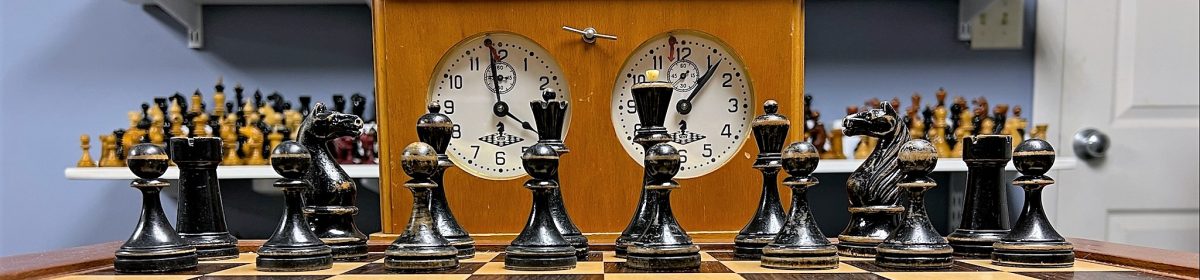

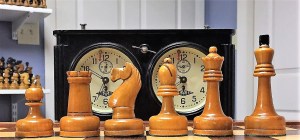
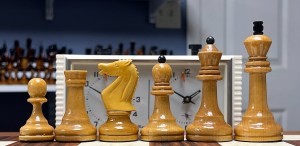
This beautiful set is named and dated by Kyiv collector and dealer Nikolay Filatov. The 110 mm kings, heavy weighting, and superior craftsmanship all mark this as a set used at the very highest levels of Soviet chess and thereby worthy of the Grandmaster name, even though I have not been able to find it in the photographic record. The lead weighting is similar to that of other tournament sets of the 1930s, a practice that ended with the outbreak of war as metal was allocated to military production. And the knight is carved in detail not found in wartime or post-war knights.
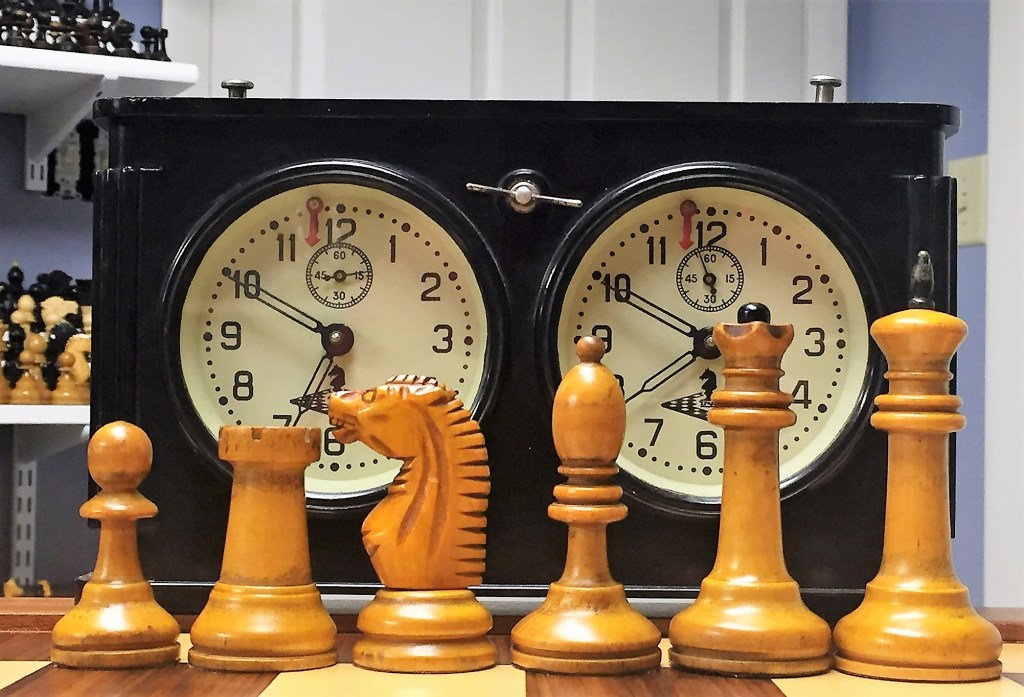
Breaking from the Modernist influences found in other sets of the thirties, these pieces hearken back to the Stauntonesque Karelian Birch sets of the late Tsarist period, notably in the crowns of the royals and the incorporation of more traditional English Staunton elements. These include the triple collars, the stepped up bases, the proportions of the base to stem to piece identifiers, the relative proportions of the pieces to each other, and the columnesque shapes of the stems bases.
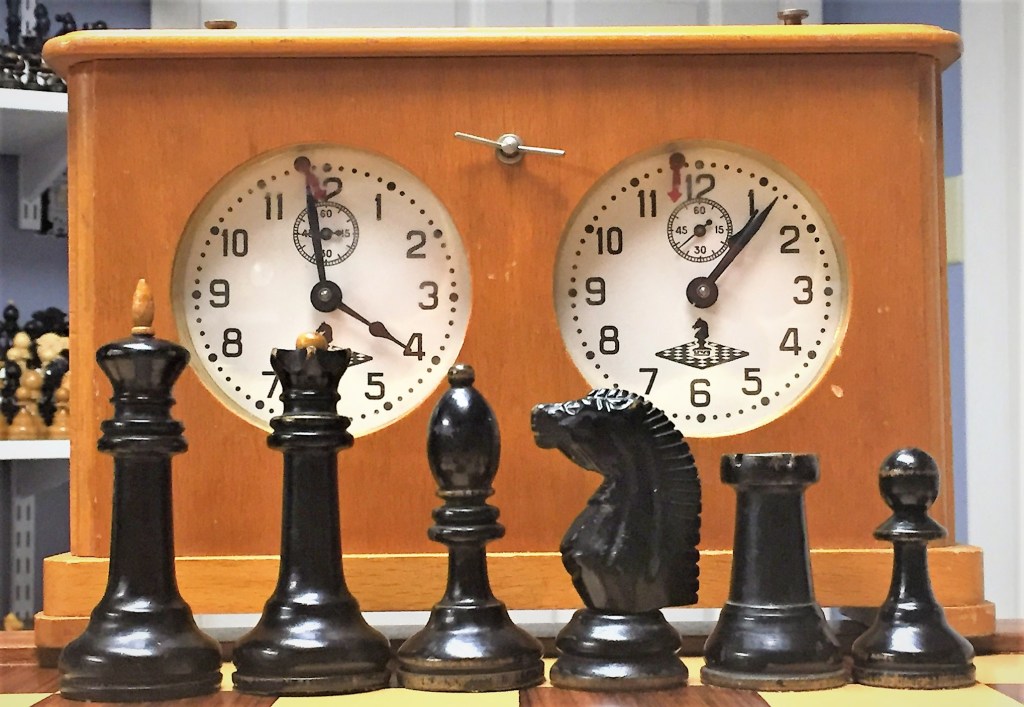
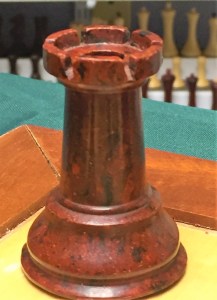
The Late 1930s Grandmaster pieces resemble their contemporaries, the 1930s-40s Bakelite and Carbolite pieces made famous in a photo shoot at the 1940 USSR Championship. Interestingly, the rooks of each set find a large hole bored or molded into the top of their turrets.

The Late 1930s Grandmaster pieces are also similar in structure to tournament sets we know to be from the early forties, particularly their collar and crown patterns and proportions.
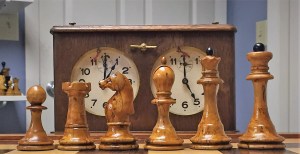
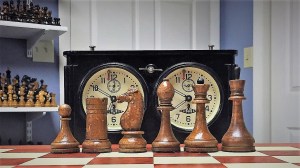
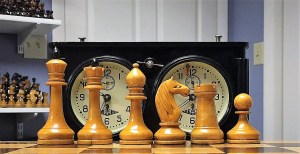
Finally, the Late 1930s Grandmaster pieces foreshadow Soviet Staunton designs that rose to the heights of Soviet Chess in the late forties and the fifties, the Tal sets, the Grandmaster 3 (and “Supreme”) sets, and the last of the Soviet Grandmaster sets, the GM 4.

Conclusion
Although the Late 1930s GM pieces are scarce if even present in the photographic record, they are significant in their high quality, their detailed knights, their rejection of Modernist influences, and their embrace of Staunton architecture, part of the Counterrevolution in Style we already have discussed.

 Soviet and Late Tsarist Chess Sets